


Protecting Roofs from Harsh Winter Weather in Lehigh Valley
Winter conditions in Lehigh Valley, PA, present significant challenges for residential and commercial roofs. Heavy snowfall, ice dams, strong winds, and fluctuating temperatures can weaken roofing structures, leading to leaks, insulation issues, and costly repairs. Proper maintenance, insulation, and professional inspections are essential to prolonging the life of a roof and preventing damage caused by winter’s extreme conditions.
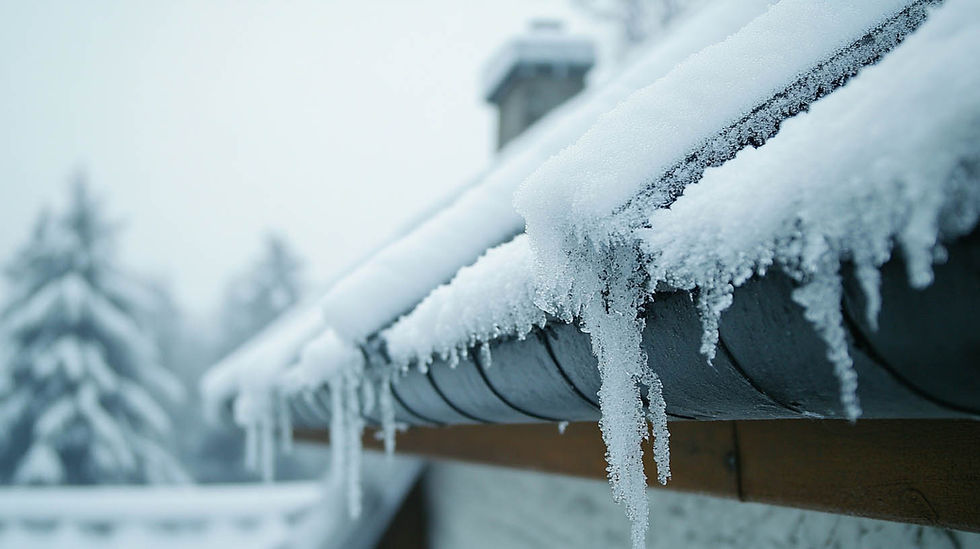
The Impact of Snow Accumulation on Roofs
Snow accumulation can add excessive weight to a roof, straining its structural integrity. The weight of fresh snow varies significantly depending on moisture content. Light, powdery snow weighs about 3 pounds per cubic foot, while wet, compacted snow can weigh up to 21 pounds per cubic foot. If left unaddressed, excessive snow loads can lead to:
Structural Stress: Overloaded roofs may begin to sag, creating cracks in walls, ceilings, and support beams.
Roof Collapse: If a roof exceeds its load-bearing capacity, it can buckle under the pressure.
Ice Formation: As snow melts and refreezes, ice layers build up, increasing the risk of leaks.
How to Prevent Snow-Related Roof Damage
Regular Snow Removal – Using a roof rake or professional removal services can prevent excessive snow buildup.
Reinforced Roofing Structures – Ensuring the roof is built to withstand local snowfall conditions helps reduce risks.
Proper Drainage Systems – Well-maintained gutters and downspouts help prevent ice buildup and water damage.
Ice Dams: A Major Cause of Roof Leaks
Ice dams form when heat escapes from the attic, melting the snow on the roof. As the melted water runs down to the colder eaves, it refreezes, forming thick ice ridges. These dams prevent proper drainage, causing water to back up under the shingles, leading to leaks and interior damage.
Signs of Ice Dam Formation
Large icicles hanging from gutters
Water stains on ceilings or walls
Peeling paint or warped wood around the attic
Preventing Ice Dams
Enhance Attic Insulation: Reducing heat loss from the attic minimizes snowmelt.
Improve Ventilation: Proper airflow helps regulate roof temperature.
Install Ice & Water Shields: A protective membrane under shingles reduces water infiltration.
Use Heated Cables: These can be installed along eaves to help melt ice buildup.
Freeze-Thaw Cycles and Their Effect on Roofing Materials
Winter’s fluctuating temperatures cause the freeze-thaw cycle, which is one of the most damaging processes for roofs. As water from melted snow seeps into small cracks in shingles or flashing, it refreezes when temperatures drop. The expanding ice widens these cracks, weakening roofing materials over time.
Materials Most Affected by Freeze-Thaw Cycles
Asphalt Shingles: Prone to cracking and granule loss.
Metal Roofing: Can experience expansion and contraction, leading to fastener loosening.
Clay Tiles: Susceptible to cracking if moisture enters and freezes.
Regular roof inspections and sealing vulnerable areas before winter begins can help mitigate these effects.
Wind Damage During Winter Storms
Winter storms in Lehigh Valley often bring high winds exceeding 50 mph, which can loosen or rip off shingles, leaving the underlayment and decking exposed.
Protecting Roofs from Wind Damage
Use High-Quality Fasteners: Roofing nails and adhesives should be designed to withstand extreme winds.
Install Wind-Resistant Shingles: Architectural shingles with a high wind rating offer better protection.
Inspect Flashing and Seals: Weak flashing around chimneys and vents can become a point of failure during storms.
Securing loose shingles and repairing damaged areas before winter reduces the risk of severe wind damage.
Condensation Issues and Mold Growth in Attics
Warm indoor air rising into a cold attic can cause condensation on the underside of the roof. If moisture builds up, it creates an environment for mold, mildew, and wood rot, compromising both air quality and the structure of the home.
Solutions for Preventing Attic Condensation
Ensure Proper Ventilation: Ridge and soffit vents help maintain balanced airflow.
Use Vapor Barriers: Prevents warm air from reaching cold roofing surfaces.
Seal Air Leaks: Small gaps around vents, light fixtures, and attic access points should be insulated.
Maintaining attic conditions helps prevent long-term roofing and health issues caused by excessive moisture.
Professional Roofing Services for Winter Protection
Roofing experts offer specialized winter services to ensure homes remain protected from harsh weather conditions.
Key Winter Roofing Services
Snow and Ice Removal: Prevents excessive weight strain and ice dam formation.
Emergency Leak Repairs: Immediate response to address winter roof damage.
Winter Roof Inspections: Identifies weak points before they become major issues.
Insulation and Ventilation Improvements: Enhances roof durability and energy efficiency.
A Trusted Roofing Partner in Lehigh Valley
For homeowners seeking expert roofing services, East Penn Roofing, located in Lehigh Valley, PA, provides industry-leading solutions backed by professional certifications. As an OSHA Safety Certified, Owens Corning Preferred Contractor, CertainTeed Shingle Select Contractor, GAF Certified Installer, and HAAG Certified roofing company, East Penn Roofing is committed to delivering high-quality craftsmanship and customer satisfaction. Their specialized team ensures that every roof is equipped to handle the demands of winter.
Conclusion
Winter weather in Lehigh Valley poses significant threats to roofs, from heavy snow loads and ice dams to wind damage and condensation issues. Regular inspections, proper insulation, and preventative maintenance help reduce the risks of costly repairs. By working with professional roofing contractors, homeowners can ensure their roofs remain strong, secure, and efficient throughout the winter months.
Frequently Asked Questions
1. How do I know if my roof is at risk for winter damage?
Signs of potential winter damage include sagging areas, missing shingles, poor attic insulation, and existing leaks. A professional inspection before winter can identify vulnerabilities.
2. How much snow is too much for a roof to handle?
Most roofs can support 20-30 pounds per square foot of snow. Wet, heavy snow weighs more and can put a roof at risk much sooner than light, fluffy snow.
3. What should I do if I notice an ice dam forming?
Do not attempt to chip away the ice, as this can damage shingles. Instead, use heated cables, calcium chloride ice melt, or contact a professional roofing service for safe removal.
4. Can winter roofing repairs be done in freezing temperatures?
Yes, but materials such as asphalt shingles may be more brittle in cold weather. Professional roofers use specialized techniques to ensure proper installation during winter.
5. How can I make my roof more energy-efficient during the winter?
Improving attic insulation, sealing air leaks, and using energy-efficient roofing materials can reduce heat loss and lower energy costs during the colder months.
Read also our blog: How Winter Weather Damages Roofs and How to Prevent It
Comments