


The Impact of Overhanging Trees on Roof Longevity
Trees add to the beauty of your home. But overhanging branches can cut down the life of your roof. While these nearby trees give your place shade and a nice look, they also bring a few problems for roofing materials. Overhanging branches can drop leaves and twigs, which leads to debris buildup on your roof. The branches can also cause physical damage if they scrape or fall against your roofing materials. This can make repairs expensive and shorten how long your roof lasts if you do not take care of it. At East Penn Roofing, we know how important it is to keep your roof in good shape. Here, we talk about how overhanging trees and their branches can hurt your roof and how you can prevent this damage.
How Overhanging Trees Affect Roof Longevity
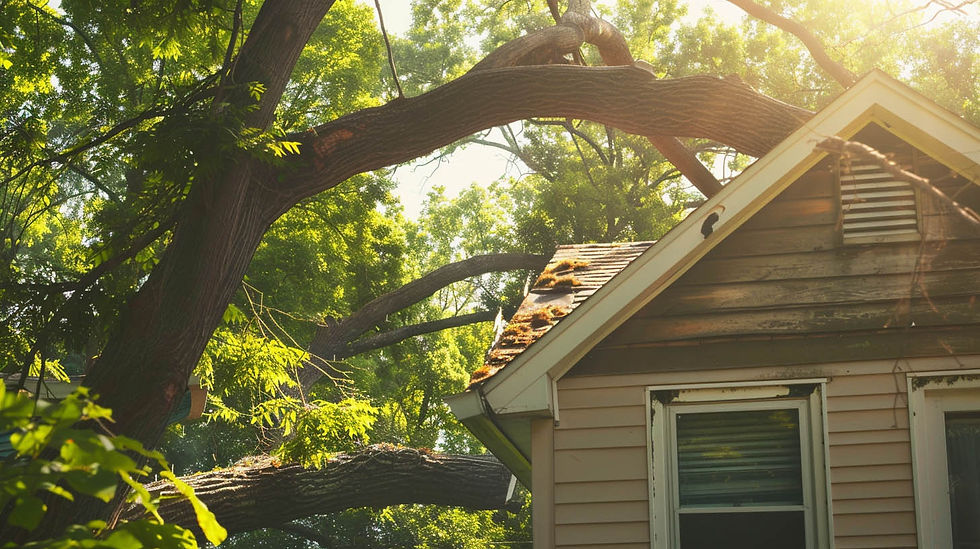
Overhanging branches can change the life of your roof in many ways. They may cause structural damage right away when there is a storm or high winds. The roofing materials can also wear down over time. This happens because branches keep scraping on the roof and holding in moisture, which can break down even the best roofing materials.
Tree branches close to your home may help moss grow and bring in algae or other dangers. Knowing about these risks is needed to help keep your roof’s lifespan long and your home safe and sound.
Physical Damage from Branches and Limbs
Constant contact with overhanging branches poses a threat to the structural integrity of your roof. Heavy branches during windy weather can cause significant damage, impacting the roofing materials and leading to potential leaks or punctures. In extreme cases, aggressive root systems may even disturb your home’s foundation. Regular maintenance and professional tree trimming can mitigate these risks, ensuring the longevity of your roof and maintaining the safety of your home. Proactive measures reduce the likelihood of costly repairs and enhance your property’s curb appeal.

Accumulation of Leaves, Debris, and Moisture
The constant accumulation of leaves and debris from overhanging trees can create significant moisture retention on your roof. This layer of organic material traps moisture, fostering an environment conducive to algae and mold growth, which can compromise the structural integrity of roofing materials. Regular maintenance through gutter cleaning and proactive trimming is essential to minimize debris buildup and extend the lifespan of your roof. By ensuring proper tree care, you protect your home’s foundation and maintain its overall curb appeal.
Common Roofing Problems Caused by Trees
Overhanging trees create various roofing problems that can compromise the structural integrity of your home. Moss growth, fueled by moisture retention from accumulated debris, can lead to costly repairs due to its damaging effects on roofing materials like asphalt shingles. Additionally, branches and limbs that come into contact with the roof pose a risk of physical damage, while the accumulation of leaves serves as a breeding ground for mold and algae growth, further deteriorating the roof's health and longevity.
Moss, Algae, and Mold Growth
The presence of overhanging trees creates a microclimate on your roof that fosters the growth of moss, algae, and mold. This constant moisture retention not only detracts from your home’s curb appeal but also compromises the roofing materials, leading to potential structural damage. Regular maintenance, such as professional tree trimming, can reduce this risk by minimizing shade and moisture accumulation. Taking proactive measures will extend the roof’s lifespan and safeguard the entire property from costly repairs associated with water damage.
Increased Risk of Pest Infestation
Overhanging trees can create a conducive environment for pests, turning your roof into a breeding ground for unwanted guests. Leaf accumulation, coupled with the constant presence of moisture, fosters conditions that attract insects and rodents, which can lead to significant damage. Furthermore, the proximity of tree branches provides easy access for these intruders, increasing the likelihood of infestations. Regular maintenance and proactive measures, such as professional tree trimming, are crucial to safeguard your home's structural integrity and prolong the roof's lifespan.
Preventative Measures for Homeowners
Being proactive is the best way to keep your roof safe from roof damage caused by trees. Doing regular maintenance and taking steps early helps you stay ahead of trouble. You will also help keep the safety of your home.
You should do tree trimming, remove debris, and get roof inspections done by a professional. These are good ways to protect your roof from overhanging branches that can cause harm. Taking these steps adds to the longevity of your roof and lets you have peace of mind. Now, let’s look at these ways to stop trouble before it starts.
Regular Tree Trimming and Maintenance
Consistent tree maintenance, including professional tree trimming, plays a vital role in preserving the longevity of your roof. By systematically trimming overhanging branches, homeowners can significantly reduce the risk of physical damage caused by heavy limbs during windy weather. This proactive measure not only enhances the curb appeal of the entire property but also minimizes debris accumulation that leads to moisture retention and mold growth. Engaging certified arborists ensures proper tree care and promotes the overall health of your roof system.

Gutter Cleaning and Roof Inspections
Maintaining the health of your roofing system begins with regular gutter cleaning and thorough roof inspections. Clogged gutters lead to moisture retention and potential water damage, compromising the longevity of your roof. Scheduled check-ups by certified arborists or roofing specialists can help identify signs of damage before they escalate into costly repairs. Proactive measures, such as inspecting for debris buildup and ensuring proper drainage, are essential. This vigilance not only preserves your roof’s lifespan but also enhances your home’s curb appeal.
In Summary
Understanding the impact of overhanging trees on roof longevity is essential for maintaining the structural integrity of your home. Implementing proactive measures such as regular tree trimming, inspections, and proper maintenance can significantly reduce the risk of potential damage. By ensuring that tree branches are adequately managed, homeowners can protect against costly repairs and enhance their property’s curb appeal. Ultimately, safeguarding the roof not only extends its lifespan but also contributes to the overall safety and value of your home.
Frequently Asked Questions
What are the signs that trees are damaging my roof?
Some clear signs that tree branches may be hurting your roof are physical damage, moss growth, water damage, and clogged gutters. When you see branches hanging over your roof or find debris often falling on it, that means it is time for some maintenance. Regular checks help you find these problems early, so you can take care of them before they get worse.
Should I hire a professional to trim trees near my roof?
Hiring certified arborists for professional tree trimming is the best option if you want to stay safe and get good results. These experts know how to trim branches the right way. They help protect the safety of your home, and they also work to make the roof last longer.
Comments